
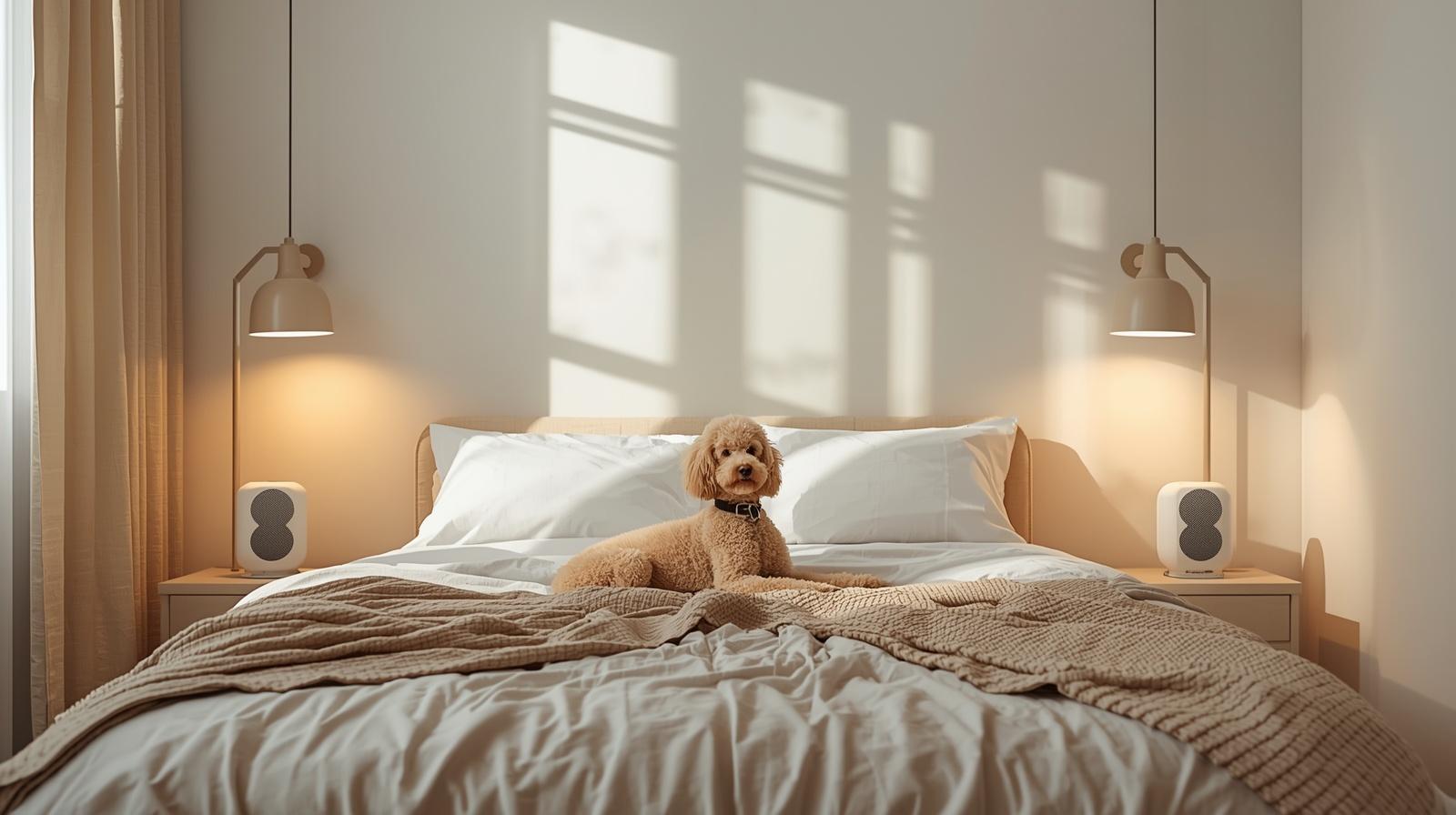
If you want to reduce allergens for poodles, the first step is understanding how your home environment affects their health. Poodles are known for their intelligence and hypoallergenic coats, yet they can still suffer from environmental allergies. Dust, pollen, mold, and even cleaning products can trigger itching, ear issues, and discomfort.
Many owners assume that because poodles shed less, they are immune to allergens. However, that is not the case. In fact, allergens often build up indoors, making your home the primary source of irritation. Fortunately, with the right habits and small adjustments, you can create a space that keeps your poodle comfortable and thriving.
Understanding Allergens That Affect Poodles
Before you can truly reduce allergens for poodles, it helps to know what you are dealing with. Indoor allergens tend to come from a few common sources. These include dust mites, mold spores, pollen, and even residues from cleaning chemicals.
Dust mites live in soft materials like carpets, bedding, and furniture. Meanwhile, mold thrives in damp, poorly ventilated areas. Pollen enters your home through open windows, clothing, and your poodle’s coat after walks.
Because these allergens accumulate over time, they often go unnoticed until symptoms appear. Your poodle may scratch more, lick their paws frequently, or develop ear irritation. Recognizing these triggers early allows you to take action before the problem worsens.
Building a Cleaning Routine That Works
One of the most effective ways to reduce allergens for poodles is to maintain a consistent cleaning routine. Regular cleaning prevents buildup and keeps irritants at manageable levels.
Start with vacuuming your home at least two to three times a week. Use a vacuum with a HEPA filter, as it captures fine particles that standard vacuums miss. Focus on areas where your poodle spends the most time, such as living rooms and sleeping spots.
Washing your poodle’s bedding weekly is just as important. Fabrics trap allergens quickly, so frequent washing removes dust and dander before they accumulate. Use hot water when possible for better results.
Additionally, wipe down surfaces with a damp cloth. This approach captures dust instead of spreading it into the air. Over time, this simple habit can significantly improve your indoor environment.
Improving Air Quality for Better Comfort
Air quality plays a major role when you aim to reduce allergens for poodles. Even a clean-looking home can contain airborne particles that irritate your pet.
Air purifiers can make a noticeable difference. Choose a model with a HEPA filter to remove pollen, dander, and fine dust. Place it in rooms where your poodle rests or sleeps most often.
At the same time, proper ventilation helps reduce stagnant air. Open windows when outdoor pollen levels are low. However, during high pollen seasons, it is better to keep windows closed and rely on filtered air.
Humidity also matters. Too much moisture encourages mold growth, while very dry air can irritate your poodle’s skin. Aim to keep humidity between 30% and 50% for optimal comfort.
Grooming Habits That Support Allergy Control
Regular grooming is essential if you want to reduce allergens for poodles effectively. Although poodles have low-shedding coats, their curls can trap allergens easily.
Bathing your poodle every few weeks helps remove pollen, dust, and other irritants. Use a gentle, hypoallergenic shampoo to protect their skin. Avoid overbathing, as it can lead to dryness and irritation.
Brushing your poodle frequently also helps. It removes trapped debris and prevents it from spreading around your home. Ideally, brush outdoors to keep allergens from settling inside.
Cleaning your poodle’s paws after walks is another simple step. A quick wipe can prevent outdoor allergens from spreading across floors and furniture.
Choosing the Right Home Materials
Your home environment plays a significant role in your ability to reduce allergens for poodles. Certain materials trap allergens more than others, making them harder to manage.
Hard flooring such as tile or wood is easier to clean than carpets. Carpets tend to hold dust, dander, and pollen, which can trigger allergic reactions. If removing carpets is not an option, regular deep cleaning becomes essential.
Furniture choices also matter. Leather or synthetic materials are easier to wipe down compared to fabric upholstery. Similarly, washable curtains are a better choice than heavy drapes.
Even small adjustments, like using hypoallergenic bedding, can create a cleaner environment over time.
Managing Moisture and Preventing Mold
To effectively reduce allergens for poodles, you must control moisture levels in your home. Mold thrives in damp areas and can quickly become a hidden problem.
Check areas such as bathrooms, kitchens, and basements for excess moisture. Fix leaks immediately to prevent mold growth. Even minor water issues can lead to significant problems over time.
Using a dehumidifier can help maintain proper humidity levels. This is especially useful in humid climates where mold develops quickly.
Choose pet-safe cleaning products when dealing with mold. Harsh chemicals can irritate your poodle’s respiratory system, so safer alternatives are always a better option.
Limiting Outdoor Allergens Indoors
Although many allergens originate outside, they often become indoor problems. To reduce allergens for poodles, you need to manage how these particles enter your home.
After walks, wipe your poodle’s coat and paws to remove pollen and dirt. This simple habit can prevent allergens from spreading throughout your space.
Removing your shoes before entering the house also helps. Shoes carry pollen and debris that can easily transfer to floors and carpets.
During peak allergy seasons, keep windows closed and rely on air conditioning or air purifiers. This prevents outdoor allergens from circulating indoors.
Creating Consistent Daily Habits
Consistency is the key to success when you want to reduce allergens for poodles. Small daily habits often make a bigger impact than occasional deep cleaning.
For example, quick daily tasks like wiping surfaces, brushing your poodle, and checking for dust buildup can keep allergens under control. Weekly routines, such as washing bedding and vacuuming thoroughly, reinforce these efforts.
Instead of trying to do everything at once, spread tasks throughout the week. This approach makes the process manageable and sustainable over time.
As these habits become part of your routine, your home will naturally become a healthier space for your poodle.
Recognizing Improvements in Your Poodle
As you work to reduce allergens for poodles, pay attention to how your pet responds. Improvements often appear gradually but are easy to notice.
Your poodle may scratch less, have fewer ear issues, and appear more relaxed. Additionally, their coat may look healthier and cleaner over time.
If symptoms persist, consider consulting a veterinarian. Some allergies require additional support, such as medication or specialized diets.
By combining environmental changes with proper care, you can create a more effective approach tailored to your poodle’s needs.
Conclusion
When you take the time to reduce allergens for poodles, you are investing in your pet’s comfort and long-term health. Although the process requires consistency, the benefits are clear.
Cleaner air, better hygiene, and thoughtful home choices all contribute to a healthier environment. Moreover, these changes do not need to be overwhelming. Small, steady improvements can make a big difference.
Your poodle depends on you to create a safe and comfortable home. By staying proactive and attentive, you can ensure they live happily with fewer irritations and more ease.
FAQ
- What are the most common allergy triggers for poodles indoors?
Dust mites, mold, pollen, and cleaning chemicals are common triggers that can affect sensitive pets. - How often should I bathe my poodle to help with allergies?
Bathing every few weeks works well, as it removes buildup without drying the skin. - Do air purifiers really make a difference for pets?
Yes, especially those with HEPA filters, as they remove fine particles from the air. - Can grooming reduce allergy symptoms in poodles?
Regular grooming helps remove trapped allergens and keeps the coat clean and manageable. - Should I remove carpets to improve my poodle’s comfort?
Hard flooring is easier to maintain, but regular deep cleaning can still help if carpets remain.