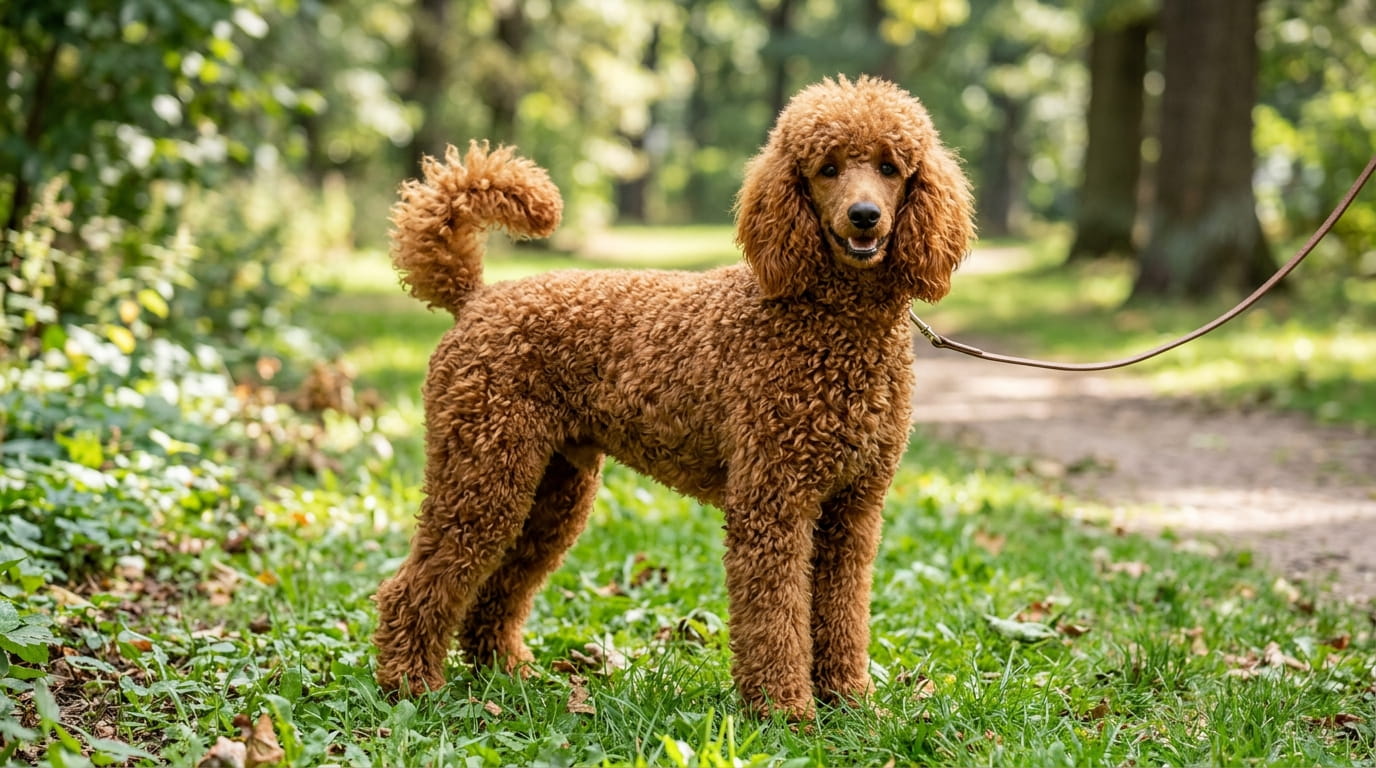
A healthy Poodle coat starts with more than shampoo, brushing, and regular grooming appointments. Poodles have dense, curly hair that needs steady care, but coat quality also depends on what happens inside the body. The right diet can support stronger hair growth, better skin comfort, and a softer, shinier coat over time. However, food cannot fix every coat problem on its own. Dry skin, dull curls, itching, flakes, thinning hair, or frequent matting may also come from allergies, parasites, hormones, stress, or poor grooming habits. Therefore, the best diet for coat health should combine complete nutrition, high-quality ingredients, hydration, and a grooming routine that protects the curl pattern instead of fighting it.
Why Coat Health Starts With Nutrition
A Poodle’s coat grows from the skin, so the body needs the right nutrients before the hair can look its best. Protein, fat, vitamins, minerals, and water all play important roles. When one part of the diet falls short, the coat may look dull, feel dry, or mat more easily. Because Poodles have curly, continuously growing coats, they need consistent support rather than occasional “beauty” treats.
A healthy Poodle coat depends heavily on steady nutrition. Crash dieting, poor-quality food, sudden food changes, or unbalanced homemade meals can affect skin and hair over time. You may not see the problem right away because coat changes often appear slowly. However, after several weeks or months, weak nutrition can show through rough texture, dry skin, or lack of shine.
Good food also supports grooming results. Even the best groomer may struggle with a brittle, dry, or poorly maintained coat. When the skin feels comfortable and the hair has better strength, brushing becomes easier. In addition, a well-fed coat can hold shape better after bathing, drying, and trimming.
Still, nutrition works best as part of a complete care plan. A dog with severe itching, bald patches, sores, odor, or recurring ear issues needs veterinary attention. Diet can help, but it should not replace proper diagnosis when symptoms look serious or persistent.
Protein Builds the Foundation
Protein plays a major role in coat strength because hair contains protein-based structures. Your Poodle needs quality animal protein to support normal tissue repair, muscle maintenance, and hair growth. Chicken, turkey, beef, lamb, duck, fish, eggs, and other complete protein sources can all work, depending on your dog’s tolerance.
A healthy Poodle coat often improves when the food uses clear, digestible protein instead of vague ingredients. Look for formulas that name the main animal source. For example, “salmon,” “turkey,” or “lamb” gives you more information than unclear meat descriptions. This helps if your dog has sensitivities or if you need to track reactions.
Digestibility matters as much as the protein name. A premium-looking food may not suit your dog if it causes gas, loose stools, or itching. On the other hand, a simple recipe with a familiar protein may work beautifully. Because every dog differs, the best protein is the one your Poodle digests well and consistently tolerates.
Puppies, adults, seniors, and active dogs may need different protein levels. Growing Poodles need enough nutrients for development, while seniors may need support for muscle maintenance. Therefore, choose a food that fits your dog’s life stage, size, health, and activity level.
Healthy Fats Support Shine and Skin Comfort
Fat gives the coat softness and shine when the diet includes the right types and amounts. Omega-3 and omega-6 fatty acids are especially important for skin comfort and coat condition. Fish oil, salmon, sardines, flaxseed, chicken fat, and certain plant oils may appear in coat-supporting diets. However, balance matters because too much fat can cause weight gain or digestive upset.
A healthy Poodle coat may look glossier when the diet includes enough essential fatty acids. These nutrients help support the skin barrier, which can affect dryness and flaking. They may also help some dogs with seasonal skin discomfort. Still, fats are not a cure-all. If your Poodle scratches constantly, licks paws, or develops red skin, ask your veterinarian to check for allergies or infection.
Fish-based diets often appeal to owners who want better coat quality. Salmon and whitefish formulas can work well for some dogs, especially when poultry or beef does not suit them. However, not every Poodle needs fish as the main protein. Some do better with turkey, lamb, or another digestible option.
Supplements can help in certain cases, but use them carefully. Adding fish oil on top of a complete diet may increase calories and affect digestion. Ask your veterinarian for the right dose if you want to add omega-3 support. More oil does not always create a better coat.
Vitamins and Minerals That Matter
A shiny coat needs more than protein and fat. Vitamins and minerals support skin turnover, immune function, and normal hair growth. Zinc, copper, vitamin A, vitamin E, biotin, and B vitamins often get attention in coat health discussions. However, these nutrients should come from a balanced diet, not random high-dose supplements.
A healthy Poodle coat can suffer when a dog eats an unbalanced homemade diet. This often happens when owners feed mostly meat, rice, or home-prepared meals without proper mineral support. The food may look fresh, but it may still miss key nutrients. Over time, those gaps can affect coat texture, skin health, energy, and overall wellness.
Commercial foods that meet complete and balanced standards usually include the needed vitamins and minerals. Still, quality varies. Read labels carefully and choose food appropriate for your dog’s life stage. Puppies need puppy or all-life-stage formulas that suit their growth needs. Adults need balanced maintenance food. Senior dogs may need adjusted calories and joint support, depending on health.
Avoid stacking multiple coat supplements unless your vet recommends them. Too much of certain vitamins or minerals can create problems. Instead, start with a solid base diet, then add targeted support only when needed.
Hydration Helps the Skin and Coat
Water may not sound like a coat nutrient, but hydration affects the whole body. A dog that does not drink enough may have drier skin, less comfortable digestion, and lower overall wellness. Poodles should always have access to clean, fresh water, especially after walks, play, grooming, or warm weather.
A healthy Poodle coat benefits when meals support moisture balance. Some dogs drink well on their own, while others need encouragement. Wet food, fresh food, or softened kibble can add moisture to the diet. However, these changes should still fit your dog’s calorie needs and digestion.
If your Poodle eats dry food, you can add warm water to the bowl and let it soften for a few minutes. This may make meals more appealing and easier to chew. It can also help dogs that rush through kibble. Still, discard softened leftovers after mealtime so food does not spoil.
Watch drinking habits closely. Sudden increases or decreases in thirst can signal health issues. If your Poodle drinks much more than usual, urinates more, or seems unwell, contact your veterinarian. Hydration support should be simple and steady, not a way to ignore medical changes.
Choosing the Right Food for Coat Health
The best diet starts with a complete and balanced food that your Poodle digests well. Look for named protein, appropriate fat levels, clear ingredients, and life-stage suitability. Then consider your dog’s individual needs. A toy Poodle, miniature Poodle, and standard Poodle may all need different portions, even when they eat the same formula.
A healthy Poodle coat often comes from consistency. Frequent food changes can upset the stomach and make skin issues harder to track. If you switch food, transition slowly over seven to ten days. Sensitive dogs may need two weeks or longer. During that time, watch stool quality, itching, coat texture, appetite, and energy.
Limited ingredient diets may help dogs with suspected food sensitivities. These foods usually use fewer protein and carbohydrate sources, which can make reactions easier to monitor. However, limited ingredient does not automatically mean better. It only helps when the chosen ingredients suit your dog.
Fresh or gently cooked diets can also support coat quality if they are nutritionally complete. Homemade diets need professional formulation because missing nutrients can harm the coat and body. If you prefer home cooking, ask a veterinary nutritionist for a recipe that meets your Poodle’s needs.
Foods and Habits That Can Hurt Coat Quality
Poor coat health often comes from small daily habits. Too many treats can unbalance the diet, especially if they replace proper meals. Table scraps can add fat, salt, or ingredients that upset digestion. Rich foods may also trigger loose stools, which can reduce nutrient absorption and comfort.
A healthy Poodle coat may decline when a dog gains excess weight. Extra weight can increase inflammation, reduce activity, and make grooming harder. Skin folds may trap moisture, and a less active dog may not circulate energy as well. Therefore, proper portions matter as much as ingredient quality.
Food allergies or sensitivities can also affect skin and coat. Some dogs react to chicken, beef, dairy, wheat, soy, eggs, or other ingredients. However, these foods are not bad for every dog. The key is your Poodle’s response. If you suspect a food reaction, do not switch randomly every few days. Work with your veterinarian on a structured plan.
Low-quality grooming products can also make diet look like the problem. Harsh shampoos, poor rinsing, overbathing, and skipped brushing can dry the coat or cause mats. A diet supports coat growth, but grooming protects the hair that is already there.
How Grooming and Diet Work Together
Poodles need regular grooming because their curly coats can trap loose hair and form mats. Even a healthy diet cannot prevent tangles if brushing does not reach the skin. Use a slicker brush and metal comb, and check areas that mat easily. These include behind the ears, under the legs, around the collar, under the tail, and along the belly.
A healthy Poodle coat is easier to maintain when the haircut matches your routine. Long fluffy styles look beautiful, but they require frequent brushing and professional upkeep. If you cannot brush often, choose a shorter, practical trim. This keeps your dog more comfortable and reduces stressful grooming sessions.
Bathing also matters. Use a gentle dog shampoo and rinse thoroughly. Leftover shampoo can irritate skin and make the coat feel dull. After bathing, dry the coat well because damp curls can mat quickly. If your Poodle dislikes dryers, introduce them gradually with calm rewards.
Nutrition and grooming should support each other. Good food helps new coat growth. Good brushing protects the coat from damage. Together, they create better texture, shine, and comfort than either habit can provide alone.
When to Ask a Veterinarian
Sometimes diet changes do not solve coat problems because the cause is medical. If your Poodle has bald patches, constant itching, sores, greasy skin, odor, flaky buildup, ear infections, or sudden coat changes, schedule a checkup. These signs can point to allergies, parasites, yeast, bacterial infection, thyroid problems, or other health concerns.
A healthy Poodle coat should not require endless guesswork. Your veterinarian can help rule out common causes and recommend a safe nutrition plan. They may also suggest skin testing, parasite control, medication, or a food trial. A proper diagnosis saves time and prevents your dog from staying uncomfortable.
Food trials need strict consistency. If your vet recommends one, follow the plan closely. That usually means no random treats, flavored chews, table scraps, or unapproved toppers. Even small extras can confuse the results. Although this feels restrictive, it gives clearer answers.
Coat changes can take time. Hair growth does not transform overnight. After improving diet or treating a skin issue, you may need several weeks to see a difference. Patience matters because the body needs time to replace dull or damaged hair with healthier growth.
Conclusion: Feed the Coat From the Inside Out
A healthy Poodle coat comes from balanced meals, quality protein, essential fatty acids, steady hydration, and smart daily habits. Grooming shapes the coat you see, but nutrition supports the skin and hair growing beneath it. When both work together, your Poodle has a better chance of looking shiny, feeling comfortable, and staying easier to brush.
Choose food that fits your dog’s life stage, size, digestion, and sensitivities. Then keep the routine consistent, avoid too many extras, and support the coat with gentle grooming. If problems continue, involve your veterinarian instead of guessing through endless food changes. With the right plan, your Poodle’s curls can look softer, healthier, and more vibrant from the inside out.
FAQ
1. What Nutrients Help a Poodle’s Coat Look Better?
Protein, omega fatty acids, zinc, copper, vitamin E, biotin, and B vitamins all support skin and hair health. A complete, balanced food should provide these nutrients in safe amounts.
2. Can Fish-Based Dog Food Improve Coat Shine?
Fish-based food may help some dogs because it often contains helpful fatty acids. However, your Poodle still needs a complete diet that suits their digestion and tolerance.
3. How Long Does Diet Take to Improve Coat Quality?
Some skin comfort may improve within weeks, but coat changes can take longer. Hair needs time to grow, so steady nutrition matters more than quick fixes.
4. Should I Add Oil to My Poodle’s Food?
Only add oil carefully because extra fat can cause weight gain or loose stools. Ask your veterinarian about the right type and amount for your dog.
5. Why Is My Poodle’s Coat Dull Even With Good Food?
A dull coat can come from poor grooming, mats, allergies, parasites, infections, or health issues. If better food and grooming do not help, schedule a veterinary checkup.