
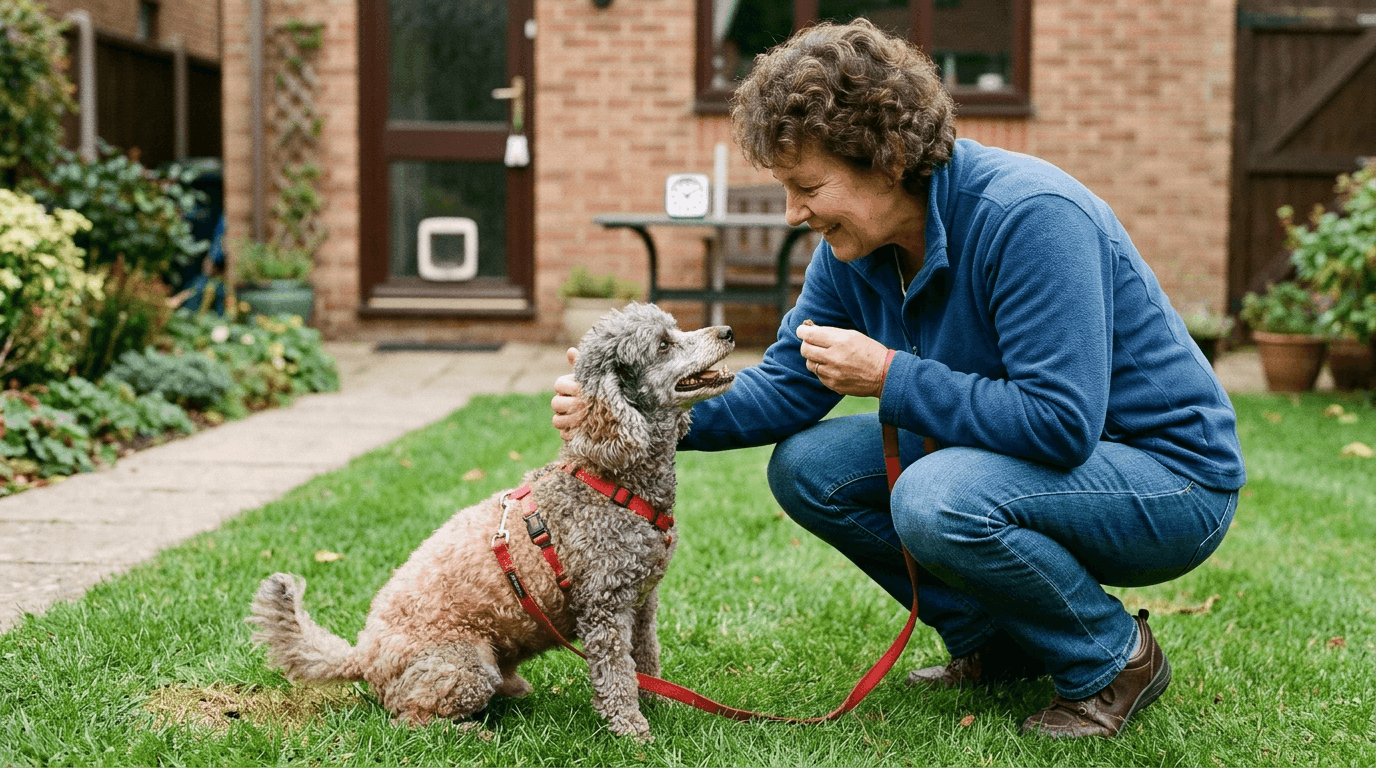
Housebreak older poodle challenges can feel frustrating at first, especially if your dog already has established habits. However, older dogs are fully capable of learning new routines when given structure and consistency. While puppies often get more attention during training, adult poodles can adapt quickly thanks to their intelligence and strong desire to please. Therefore, success depends less on age and more on your approach, patience, and ability to create a predictable routine.
Unlike puppies, older dogs may carry habits from previous environments, which means accidents can happen even after initial progress. Still, this does not mean training will fail. In fact, with the right method, many owners find it easier to housebreak older poodle companions because they can focus longer and respond better to structured training. By understanding your dog’s needs and adjusting your expectations, you can build lasting habits that improve both behavior and confidence.
Understanding Why Older Dogs Struggle
When you try to housebreak older poodle behavior, it helps to understand the root causes behind accidents. Often, the issue is not defiance but confusion or inconsistency from past routines. For example, a rescue dog may not have been trained properly, or they may have learned different habits in a previous home.
In some cases, medical issues can also affect bladder control. Therefore, ruling out health concerns with a veterinarian is an important first step. Conditions such as urinary infections or aging-related changes can influence your dog’s ability to hold their bladder.
Additionally, environmental changes can disrupt established habits. Moving to a new home or adjusting to a different schedule may cause temporary setbacks. Because poodles are sensitive to routine, these changes can impact their behavior.
Understanding these factors helps you approach training with patience rather than frustration. By identifying the cause, you can tailor your strategy and improve results more effectively.
Creating A Structured Daily Routine
Consistency is the foundation when you housebreak older poodle habits successfully. Without a predictable routine, your dog may struggle to understand when and where to go. Therefore, setting clear schedules for feeding, walking, and bathroom breaks is essential.
Start by taking your dog out first thing in the morning. Then, continue with regular intervals throughout the day, especially after meals and naps. This pattern helps your dog associate specific times with bathroom breaks.
Feeding at the same times each day also supports consistency. When meals are predictable, digestion becomes more regular, making it easier to anticipate bathroom needs. As a result, accidents become less frequent.
Equally important, always use the same outdoor location. Repetition reinforces the connection between that spot and the desired behavior. Over time, your dog will naturally gravitate toward that area.
By maintaining a structured routine, you provide clarity and reduce confusion. This approach helps your dog learn faster and feel more secure.
Using Positive Reinforcement Effectively
Positive reinforcement plays a key role when you housebreak older poodle behavior. Instead of focusing on mistakes, rewarding correct actions encourages repetition and builds confidence.
Whenever your dog eliminates in the correct spot, offer immediate praise or a small treat. Timing is important because your dog needs to connect the reward with the action. Therefore, reward within seconds for the best results.
Consistency in rewards strengthens learning. By repeating this process, your dog begins to associate the behavior with positive outcomes. Over time, the habit becomes automatic.
Avoid punishment when accidents occur. Negative reactions can create fear and confusion, which may slow progress. Instead, calmly clean the area and continue reinforcing correct behavior.
Using encouragement rather than correction creates a supportive environment. As a result, your dog becomes more willing to learn and cooperate.
Managing Accidents The Right Way
Even when you housebreak older poodle routines carefully, accidents are part of the process. How you respond to them can either support or hinder progress.
When an accident happens, clean the area thoroughly using an enzyme-based cleaner. This removes lingering odors that might attract your dog back to the same spot. Without proper cleaning, repeated accidents become more likely.
If you catch your dog in the act, interrupt gently and guide them to the correct location. Once they finish in the right place, reward them immediately. This approach redirects behavior without creating stress.
It is also helpful to supervise your dog closely during training. Limiting unsupervised access to the home reduces the chance of accidents. Therefore, consider using baby gates or keeping your dog in the same room.
By handling accidents calmly and consistently, you maintain progress and avoid setbacks.
Using Crate Training As A Support Tool
Crate training can be very effective when you housebreak older poodle behavior, even if your dog is no longer a puppy. Because dogs naturally avoid soiling their sleeping area, a crate helps encourage bladder control.
Choose a crate that fits your dog comfortably but does not allow extra space for accidents. This balance encourages your dog to hold their bladder until they are taken outside.
Introduce the crate gradually and make it a positive environment. Use soft bedding and provide treats to create a sense of comfort. Never use the crate as punishment, as this can create negative associations.
Using the crate during unsupervised times helps prevent accidents and reinforces routine. Over time, your dog learns to wait until they are taken outside.
When used correctly, crate training becomes a valuable tool that supports the overall training process.
Adapting Training For Apartment Living
If you need to housebreak older poodle behavior in an apartment, adjustments may be necessary. Limited outdoor access can make timing more challenging, but it is still manageable with planning.
Keep essential items like a leash and treats near the door to reduce delays. Acting quickly when your dog shows signs of needing to go is crucial in this environment.
Indoor options, such as puppy pads, can serve as temporary solutions. However, they should not replace outdoor training entirely. Instead, use them as a backup while encouraging outdoor habits.
Frequent short walks are often more effective than fewer long ones. This approach increases opportunities for success and reduces the risk of accidents.
With consistency and preparation, apartment living does not prevent successful training. It simply requires a more structured approach.
Building Long-Term Success
Long-term success depends on maintaining habits that housebreak older poodle routines permanently. While initial training requires effort, consistency ensures lasting results.
Gradually increase the time between bathroom breaks as your dog improves. This helps build endurance and confidence. However, avoid pushing too quickly, as setbacks can occur.
Continue reinforcing positive behavior even after progress is visible. Occasional rewards help maintain good habits and prevent regression. Additionally, regular routines should remain consistent over time.
Monitoring your dog’s behavior also helps identify potential issues early. If accidents reappear, revisit your routine and make necessary adjustments.
By staying consistent, you create a stable environment where your dog can thrive. Over time, these habits become second nature.
When Progress Takes Longer Than Expected
Sometimes, even with effort, it may take longer to housebreak older poodle behavior fully. This is normal, as every dog learns at a different pace.
If progress slows, review your routine for inconsistencies. Small changes, such as more frequent breaks or clearer cues, can improve results significantly. Additionally, ensure all household members follow the same approach.
Patience remains essential during this phase. Avoid frustration, as it can affect your dog’s confidence. Instead, focus on gradual improvement and celebrate small successes.
In some cases, professional trainers can provide additional guidance. Their expertise helps identify specific challenges and offers tailored solutions.
By staying committed, you will eventually see consistent progress.
Conclusion
To housebreak older poodle companions successfully, focus on consistency, patience, and positive reinforcement. While older dogs may come with established habits, they are fully capable of learning new routines when given clear guidance. By creating structure, managing accidents calmly, and reinforcing good behavior, you build a foundation for lasting success. Over time, your efforts will result in a well-trained, confident dog that adapts comfortably to your home.
FAQ
1. Can an adult dog still learn bathroom training?
Yes, adult dogs can learn effectively with consistent routines and positive reinforcement.
2. How long does it take to train an older dog?
It varies, but most dogs show improvement within a few weeks of consistent effort.
3. Should I use treats during training?
Yes, treats help reinforce positive behavior and encourage learning.
4. What should I do if accidents keep happening?
Review your routine, increase supervision, and ensure proper cleaning of accident areas.
5. Is crate training helpful for adult dogs?
Yes, it can support training by encouraging bladder control and reducing accidents.